
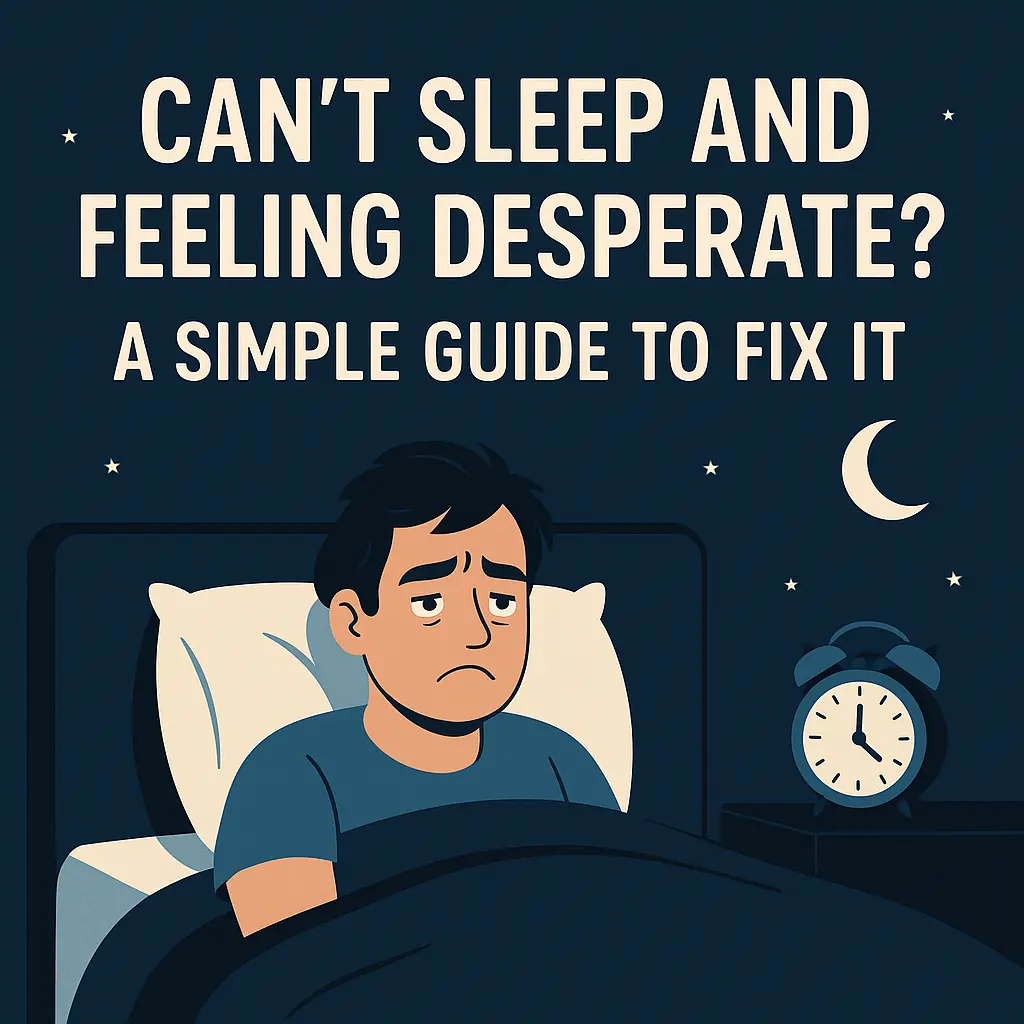
Sleepless nights destroy your peace. Waking up tired creates desperation. Insomnia affects millions across the United Kingdom. Finding effective solutions becomes your top priority. Some people feel so helpless they search for Zopiclone Online Uk. Do not take this step without preparation. Understand the severe impact chronic sleep loss has on your physical and mental health. Sleep deprivation reduces focus, lowers mood, and weakens your immune system. This guide offers practical steps to reclaim your rest. You need better sleep. Start by implementing behavioral changes before seeking drugs. Always speak to a medical professional before beginning any treatment plan.
Understanding Your Sleep Crisis
You must identify the problem before you fix it. Insomnia means difficulty falling asleep, staying asleep, or getting quality, restorative sleep.
Insomnia divides into three main types:
- Transient: Lasts a few days. Often caused by temporary stress or travel.
- Acute: Lasts up to three weeks. Caused by life events like grief or illness.
- Chronic: Occurs at least three nights a week for three months or more. This requires systematic intervention.
Many factors cause insomnia. Stress tops the list. An inconsistent sleep schedule confuses your body clock. Underlying medical conditions, like restless legs syndrome or pain, disrupt sleep severely.
The cycle of desperation makes things worse. You worry about not sleeping. That worry releases cortisol, a stress hormone. Cortisol makes falling asleep impossible. Fear of insomnia becomes the cause of insomnia. Break this cycle now.
Start tracking your sleep patterns. Keep a simple sleep diary for two weeks. Record your bedtime, wake time, and estimated minutes awake during the night. Note caffeine intake and exercise times. This data reveals patterns you must change.
Foundation of Sleep Hygiene: The Non-Medication Fix
Good sleep hygiene provides the necessary environment for rest. Neglecting these basics guarantees restless nights. Focus on your environment, schedule, and daily habits.
The Bedroom Environment
Your bedroom must signal rest, not activity.
- Darkness: Eliminate all light sources. Even small LED clock lights interfere with melatonin production. Use thick blackout curtains. Melatonin controls your sleep-wake cycle.
- Temperature: A cool room promotes sleep initiation. Maintain your bedroom temperature between 60-70 F. Your body temperature naturally drops when you sleep. Help this process with cool air.
- Noise: Sudden noises wake you up. Use a white noise machine or fan to mask disruptive sounds. Earplugs provide effective silence.
Routine and Schedule
Consistency strengthens your body’s circadian rhythm.
- Fixed Schedule: Go to bed and wake up at the same time every day. This includes weekends. This regularity sets your internal clock. Your body learns when to expect sleep.
- Wind-down Ritual: Create a 30 to 60 minute buffer before your planned bedtime. This transition time prepares your mind for sleep. Read a physical book. Listen to calm music. Take a warm bath.
- Avoid Screen Time: Stop using phones, tablets, and computers at least one hour before bed. Blue light emitted by screens suppresses melatonin. If you must use a screen, wear blue-light blocking glasses.
Diet and Exercise
What you consume and when you move directly impacts sleep quality.
- Caffeine: Caffeine is a stimulant with a long half-life. Stop all coffee, tea, and soda consumption by midday. Avoid hidden caffeine in certain pain relievers.
- Alcohol: Alcohol makes you feel sleepy initially. It severely disrupts the second half of your sleep cycle, reducing vital REM sleep. Avoid alcohol intake within four hours of bedtime.
- Exercise: Regular physical activity improves deep sleep quantity. Schedule vigorous exercise earlier in the day. Finish all workouts at least three hours before you go to bed. Exercise too close to bedtime increases core body temperature, preventing sleep.
Cognitive Behavioral Therapy for Insomnia (CBT-I)
CBT-I is the most effective non-drug treatment for chronic insomnia. It targets the thoughts and behaviors preventing you from sleeping. It changes the way you think about sleep.
Stimulus Control
Your brain must associate your bed with immediate sleep.
- Use your bed only for sleep and sex. Never work, eat, or watch television in bed.
- Go to bed only when you feel sleepy.
- If you lie awake for more than 20 minutes, get out of bed. Go to another room. Do a quiet, non-stimulating activity like reading under dim light.
- Return to bed only when sleepiness returns.
- Repeat this process as often as needed. This re-establishes the bed as a trigger for sleep.
Sleep Restriction
This technique requires discipline, but delivers strong results. It aims to increase your sleep drive.
- Calculate your current total sleep time based on your sleep diary.
- Restrict your time in bed to that duration. For example, if you sleep six hours, limit your time in bed to six hours.
- Do not nap during the day.
- Slowly increase your time in bed by 15 or 30 minutes only after your sleep efficiency improves (spending 85 to 90 percent of time in bed asleep).
Sleep restriction causes temporary sleep deprivation. This forces your body to sleep more efficiently when you do enter the bed. Consult a professional before attempting this method.
Cognitive Restructuring
Insomnia fuels negative, anxious thoughts. You need to challenge them.
- Identify Negative Thoughts: Recognize statements like, “I will be useless tomorrow if I do not sleep.”
- Replace Them: Replace the negative thought with a realistic statement like, “Sleep tonight might be difficult, but I manage fine after a poor night of sleep. I will cope.”
- Mindfulness: Learn techniques to detach from worrying thoughts. Recognize the thought without engaging the feeling. This reduces the performance anxiety surrounding sleep.
When to Consider Medication: The Medical Route
Medication treats the symptom, not the cause. Doctors prescribe drugs for temporary, severe cases, or when non-pharmacological methods fail. You should exhaust behavioral changes first.
Over-the-Counter Options
Melatonin is a popular supplement. It helps adjust your internal clock, useful for jet lag. It is not an effective long-term treatment for chronic insomnia. Antihistamines cause sedation, but their primary purpose is allergy relief. They provide poor quality sleep and leave you groggy.
Prescription Sleep Aids
Z-drugs are common prescription choices. They include Zolpidem, Zaleplon, and Zopiclone. These medications are sedative-hypnotics. They work by enhancing the action of GABA, a brain chemical promoting sleep. These drugs help you fall asleep faster.
Specific Focus on Zopiclone
Zopiclone provides short-term relief. It is not meant for daily use beyond four weeks. It carries significant risks.
- Risks: Tolerance builds quickly. Physical dependence follows extended use. Side effects include a bitter, metallic taste and morning drowsiness. It causes impairment. Do not drive or operate machinery after taking it.
- Warning: Be cautious if you seek to Buy Zopiclone Online UK. Purchasing prescription drugs online demands extreme vigilance. Only use registered, verified pharmacies. Unregulated sources sell counterfeit or unsafe products. Your safety depends on medical advice. Consult your doctor to assess if Zopiclone suits your needs. They determine the correct dosage and duration. Self-medication carries serious risks. Do not change dosage without medical supervision.
The Specialist's Role
Medication is a tool. Use it as a short-term bridge to better sleep habits, not a permanent solution. Your doctor may refer you to a sleep specialist or a CBT-I therapist. This provides the comprehensive approach needed for lasting recovery.